
More people and builders are submitting plans to build houses, but far fewer are being approved, according to a recent industry development report.
The Cobalt Development Index revealed that while planning permission applications rose by about 6 %, the number of approvals fell by roughly 11 % compared with the same period last year – a sign that the planning system is under strain.
At a time when the Government is counting on faster planning and increased building to meet its target of 1.5 million new homes by 2029, the slowdown in approvals suggests meeting that goal will be even harder.
Why planning looks slower despite more applications
The report’s figures are mirrored by official data showing planning authorities received more proposals but made fewer decisions within expected timelines.
Under the National Planning Policy Framework it is expected that planning decisions on most applications will be completed within 8 to 13 weeks, but most are now taking much longer as councils struggle with resources and backlog pressures.
This mismatch means builders and developers can wait months before they know if a site is approved, delaying everything from buying materials to hiring trades.
For everyday homebuilding and renovation companies, this translates to uncertainty and cost, particularly on smaller projects that depend on fast turnaround.
A key bottleneck: safety checks and 'Gateway 2'
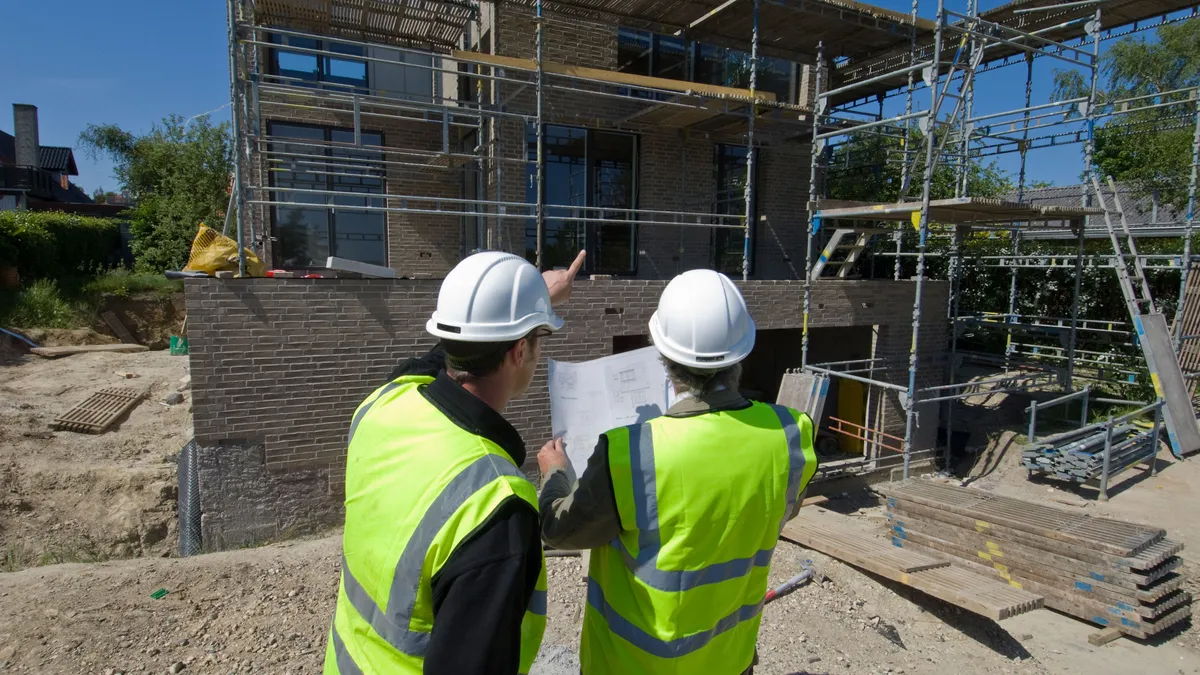
One of the main factors slowing housing delivery for larger schemes is the Gateway 2 safety review, introduced under the Building Safety Act.
This mandatory review applies to certain high-risk or larger buildings before construction can begin. While its aim is to improve safety, the process has created a backlog that adds months to project timelines for these developments.
The director of one National Property Developer said in the Cobalt report: “The time taken to approve projects remains slow, and while Gateway 2 approvals are forecast to move through backlog in early 2026, this additional legislation is adding on average 26 weeks to the process.”
Although Gateway 2 mainly applies to taller or more complex housing projects, the delays at this stage affect the overall housing pipeline. The report shows that every week, a large project is held up tying up resources, slowing the flow of construction, and contributing to wider pressures on housing delivery.
For SME housebuilders, the knock-on effect is less direct but still felt through supply chain bottlenecks, higher competition for materials and trades, and a market where approvals are generally slower.
By extending decision times well beyond the statutory target of around eight weeks, Gateway 2 adds a specific choke point in the planning system, reinforcing the challenges facing the government’s 1.5 million new homes target.
What this means for the Government’s housing pledge
The Government and Housing Secretary Steve Reed have repeatedly said it is “absolutely committed” to delivering 1.5 million new homes during this Parliament and even threatened to resign if he cannot meet this target.
But recent housing pipeline data suggests planning approvals have been falling for some time, with figures hitting their lowest levels in years, well below the number needed each year to stay on track for the 1.5 million target.
The Home Builders Federation said that: “Planning approvals must rise by 53% if we are to meet the Government’s target of 370,000 new homes per year.”
For people hoping to see more homes built, whether as buyers, renovators or small builders, this slowdown highlights a growing risk, as ambitious targets may be unmet if planning delays are not resolved quickly.

