
Wales has announced a major update to its building regulations, requiring all new homes to include a system for renewable electricity generation.
The move makes Wales the first part of the UK to implement such a widespread renewable energy mandate for residential buildings.
This article outlines exactly what the rules require and why it's not just for solar panels, which homes they apply to, and when the changes will take effect.
What is being required
Under the amended Part L of the Building Regulations 2010, any newly constructed dwelling or building containing a dwelling must install a system capable of generating renewable electricity on-site.
As the regulations state, a new requirement is being added so that “when a dwelling or a building containing a dwelling is erected, a system for renewable electricity generation must be installed on-site.”
While the law does not specifically mention solar panels, the requirement ensures that new homes contribute to on-site renewable energy generation. Alternative renewable systems may be allowed in cases where solar is technically impractical.
- Solar PV Panels – The most common and practical solution for homes
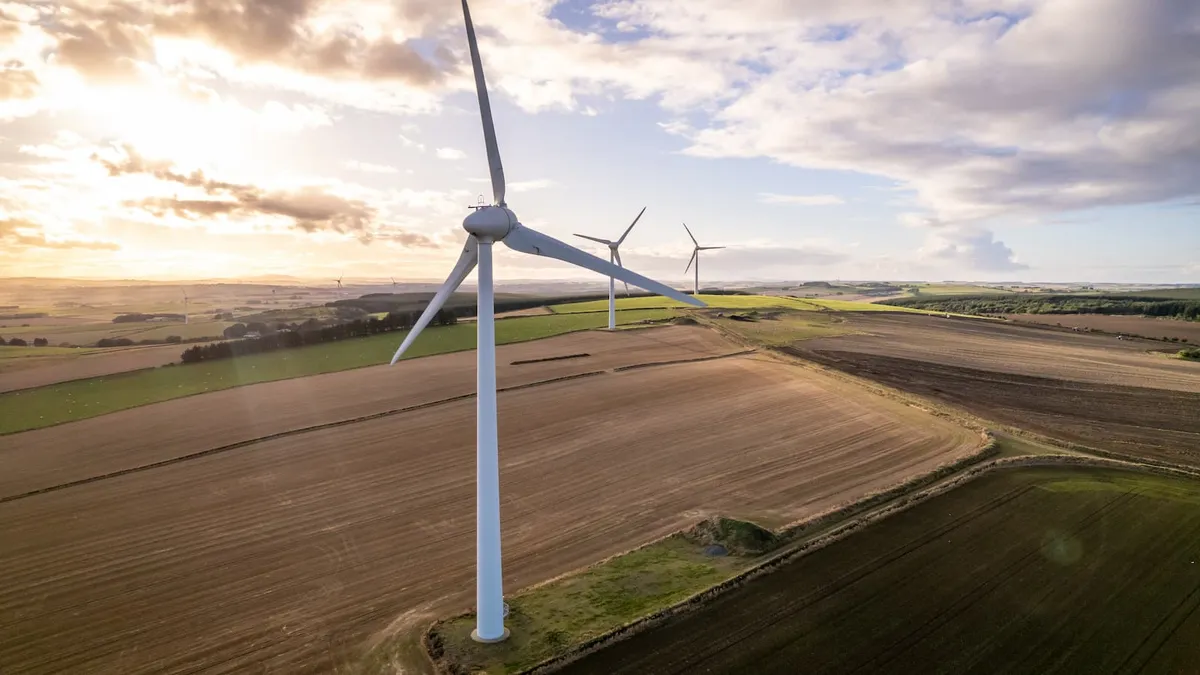
- Wind Turbines – Only feasible in sites with enough space and wind resource
- Micro-Hydro Systems – For homes with access to flowing water; very rare in typical housing
Which homes will this apply to
The requirement applies to all new dwellings built in Wales, including single-family homes, apartments, and mixed-use buildings with residential units.
The regulations state exceptions may exist where physical site conditions make it impossible to install an on-site renewable electricity system capable of meeting minimum energy standards.
When the changes will come into effect
The updated regulations will come into force on 4 March 2027, and will apply to any new building where construction has not already begun by that date.
Self-builders and developers will need to ensure renewable electricity systems are included in planning and construction to comply with the new standards.
England is still waiting for the introduction of the Future Homes Standard, which is expected to bring similar requirements for new homes.

