
As household energy costs continue to bite and global tensions in the Middle East disrupt markets, many UK families are bracing for another round of price rises later this year.
With bills expected to climb to some of their highest levels from July, consumers face price rises on top of already high living expenses, prompting fresh debate over whether and how the government should step in.
Against this backdrop, Chancellor Rachel Reeves has outlined plans that signal a clear shift from blanket support, and consumer champion Martin Lewis has weighed in with his own analysis and predictions on what homeowners should expect next.
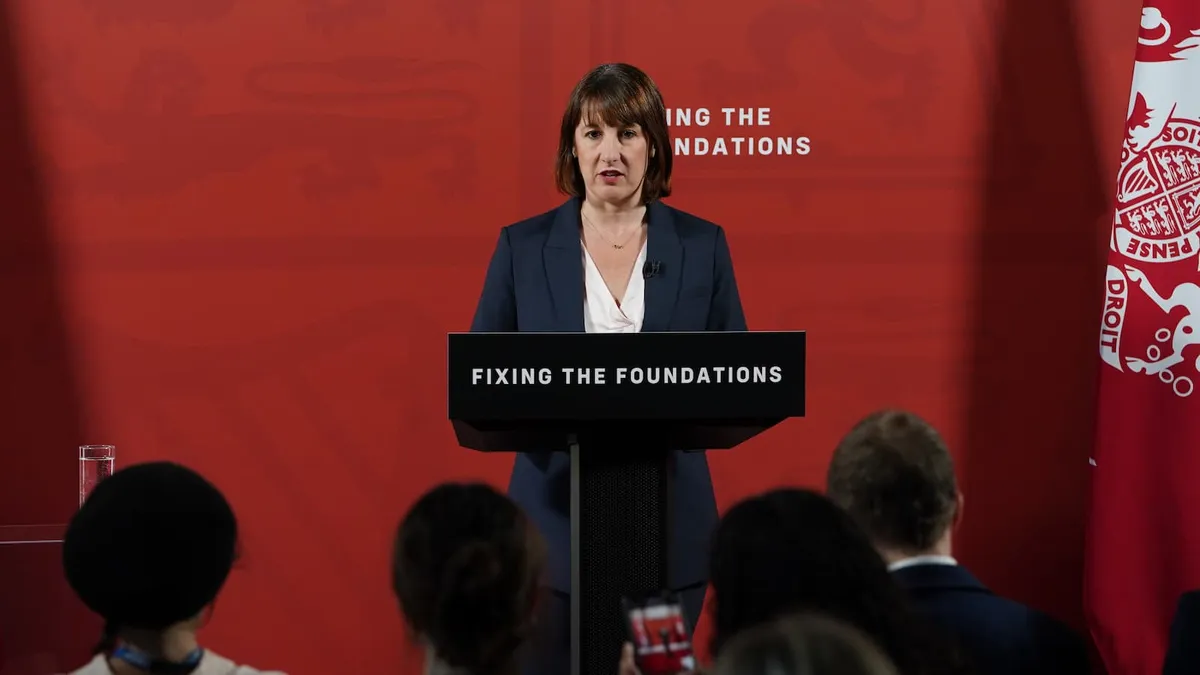
Reeves announces support 'for those who need it most'
In a statement to Parliament, Reeves stressed that support for households hit by rising energy costs must be balanced with long‑term fiscal responsibility.
She said: “Contingency planning is taking place for every eventuality so that we can keep costs down for everyone and provide support for those who need it most, acting within our ironclad fiscal rules.”
That approach marks a departure from the universal support schemes of the past and instead focuses on targeted help for vulnerable households.
Labour ministers have backed expanding the powers of regulators like the Competition and Markets Authority to crack down on unfair energy price rises, such as for oil-heated homeowners whose costs doubled in days, a move aimed at stemming profiteering while market volatility persists due to geopolitical shocks.
Martin Lewis reacts to Reeves' announcement
On social media platform X, Martin Lewis outlined the two “domestic energy models” the government could use to intervene, urging readers to consider past approaches.
He reminded followers of the Energy Price Guarantee under Liz Truss - a blanket cap on unit costs that limited bills to around £2,500 a year but was extremely costly for the taxpayer - and contrasted it with the more targeted support packages used later, including flat grants and top‑ups for low‑income households.
Lewis’s commentary reflects a focus on cost‑efficiency and fairness; he has previously welcomed measures that shift costs off bills and into general taxation as a way to deliver concrete cuts to household energy costs - for example, urging that savings from cuts to green levies be passed on to consumers, including those on fixed tariffs.
He has also noted in recent MoneySavingExpert analysis that changes to standing charges and removal of certain policy costs from bills represent incremental relief, but stressed that “more needs to be done” for a meaningful reduction in household outgoings.
What Lewis predicts will happen
How would the govt intervene to cut energy bills if needed? Its worth looking at the two previous domestic energy models we saw in recent years.1. Liz Truss (as PM) reduce energy costs for all. The Energy Price Guarantee reduced bills by limiting the unit rates charged for gas…March 24, 2026
Drawing on these models Lewis predicts the government will focus on targeted support rather than a universal energy price cap, echoing Reeves’s goal of helping “those who need it most.”
He warns that while vulnerable households may see meaningful relief, middle‑income and high‑usage homes could get only modest savings.
“Targeted help may ease pressures for those most at risk of fuel poverty, but middle-income and high-usage households might see more modest savings unless broader market reforms take effect, making energy efficiency measures and careful budgeting increasingly critical,” Lewis said.
This approach could include grants, rebates, and small structural changes to bills, but won’t provide the dramatic cuts of previous blanket schemes. Broader reforms and stronger regulation, Lewis adds, will be key to keeping energy costs stable in the future.

