
Britain’s first mine water heat Living Laboratory in Gateshead is attracting significant international attention from scientists and engineers keen to understand how flooded coal mine water can be used as a reliable low‑carbon heat source.
The project has generated thousands of hours of real‑world thermal and geophysical data from multiple operational schemes, helping to inform future clean heat solutions.
With around a quarter of UK homes located above former coalfields, experts say mine water heat could play a part in future home heating strategies.
What the Living Lab shows
The Gateshead mine water heat Living Lab - led by the Mining Remediation Authority - sits between three operational mine water heat schemes in the North East of England and makes open‑access data available to researchers worldwide.
One of the international researchers engaging with the project, Dr Christine Doughty, Staff Scientist at the Lawrence Berkeley National Laboratory in the United States, said: “Mine water geothermal represents a huge potential resource for heating and cooling in the UK, the US and elsewhere. When you look at maps of abandoned, flooded mine shafts… it’s truly impressive how extensive the networks of fluid flow paths are.”
Another international collaborator, Elke Mugova, a researcher at Fraunhofer IEG in Germany, added: “The Living Lab offers a unique opportunity… to benchmark and compare high‑resolution thermal and hydraulic data with our own monitoring sites in former coal mines.”
These testimonials highlight why the UK’s data‑rich Living Lab is becoming a reference point for geothermal and low‑carbon heat research.
Mines providing real heat in UK homes
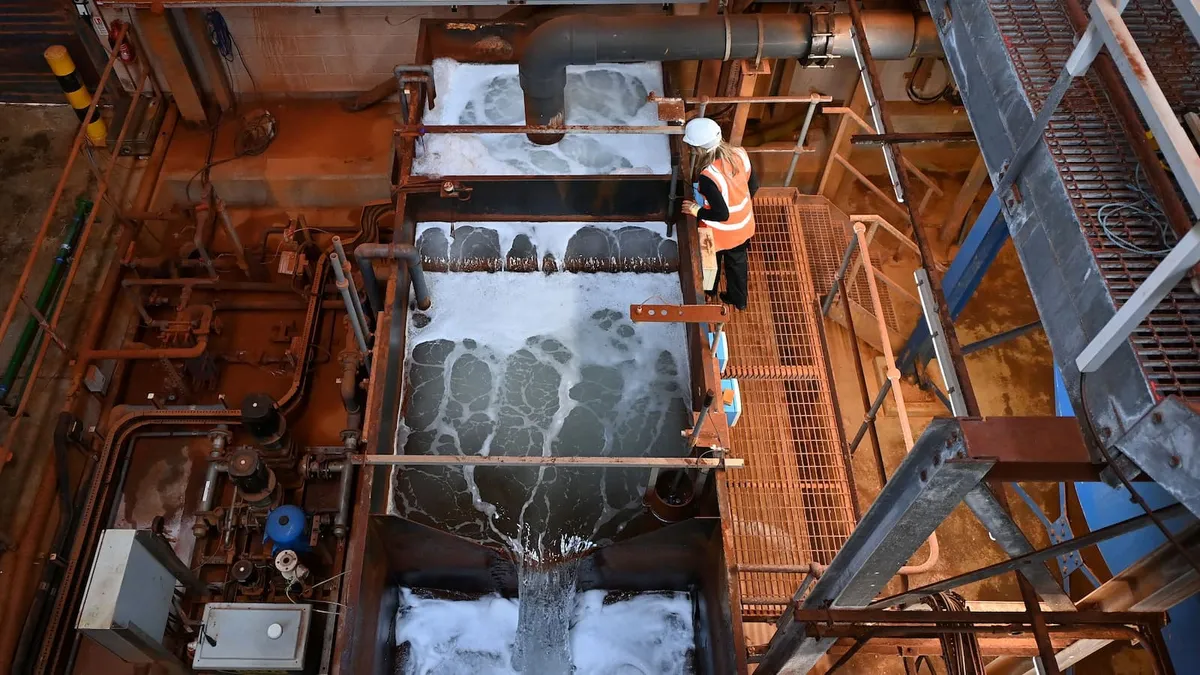
Mine water heat exploits naturally warmed water in flooded mine workings by lifting it to the surface, using heat exchangers and heat pumps to supply heat into district networks.
In Gateshead, a 6 megawatt (MW) water source heat pump pulls heat from mine water more than 150 m underground and feeds it into a 5 km network. This supplies heat to about 350 homes, local colleges, arts venues and offices.
It was reported that around 6 million UK homes sit above former coalfields that could, in theory, benefit from similar low‑carbon heat solutions - making mine water heat a compelling option for regions with the right geology.
A pilot project was also launched in Seaham, County Durham, to show the technology being extended to provide heat to 750 homes, proving the scheme works in practice.
Proven success and growing potential
The Gateshead scheme is one of the largest in Europe, and it has already delivered low‑carbon heat at scale – offering a real‑world example for others to follow.
Independent data from the Living Lab shows the project has produced thousands of hours of thermal, hydrological and geophysical data, giving scientists unmatched insight into how mine water behaves underground.
Dr Fiona Todd, geoscientist and project lead, said: “Access to real‑world mine water data at this scale is incredibly rare. The level of national and international interest shows the value of creating an open, shared resource that others can learn from.”
With the UK’s first large‑scale mine water heating network already saving an estimated 1,800 tonnes of CO₂ annually compared with gas heating, the model points to a tangible route for low‑carbon heat across Britain’s historic coalfield areas - not just research interest, but measurable impact.

